
Chargeprice

Logo

Thermal Management – The Unsung Hero Of E-Mobility 🌡️

Why Thermal Management is the Unsung Hero of Your EV 🌡️

As we welcome the first warm days of May, your car’s battery is celebrating too. Just like us, batteries feel most comfortable between 20°C and 35°C (ideally up to 40°C). If the temperature drops below this, ions move sluggishly like honey; if it rises above, the chemistry ages significantly faster. In this month’s Tech Focus, discover how your car maintains this “Goldilocks zone” and the technology behind it.

1. High-Tech Under the Hood: How Batteries “Breathe”

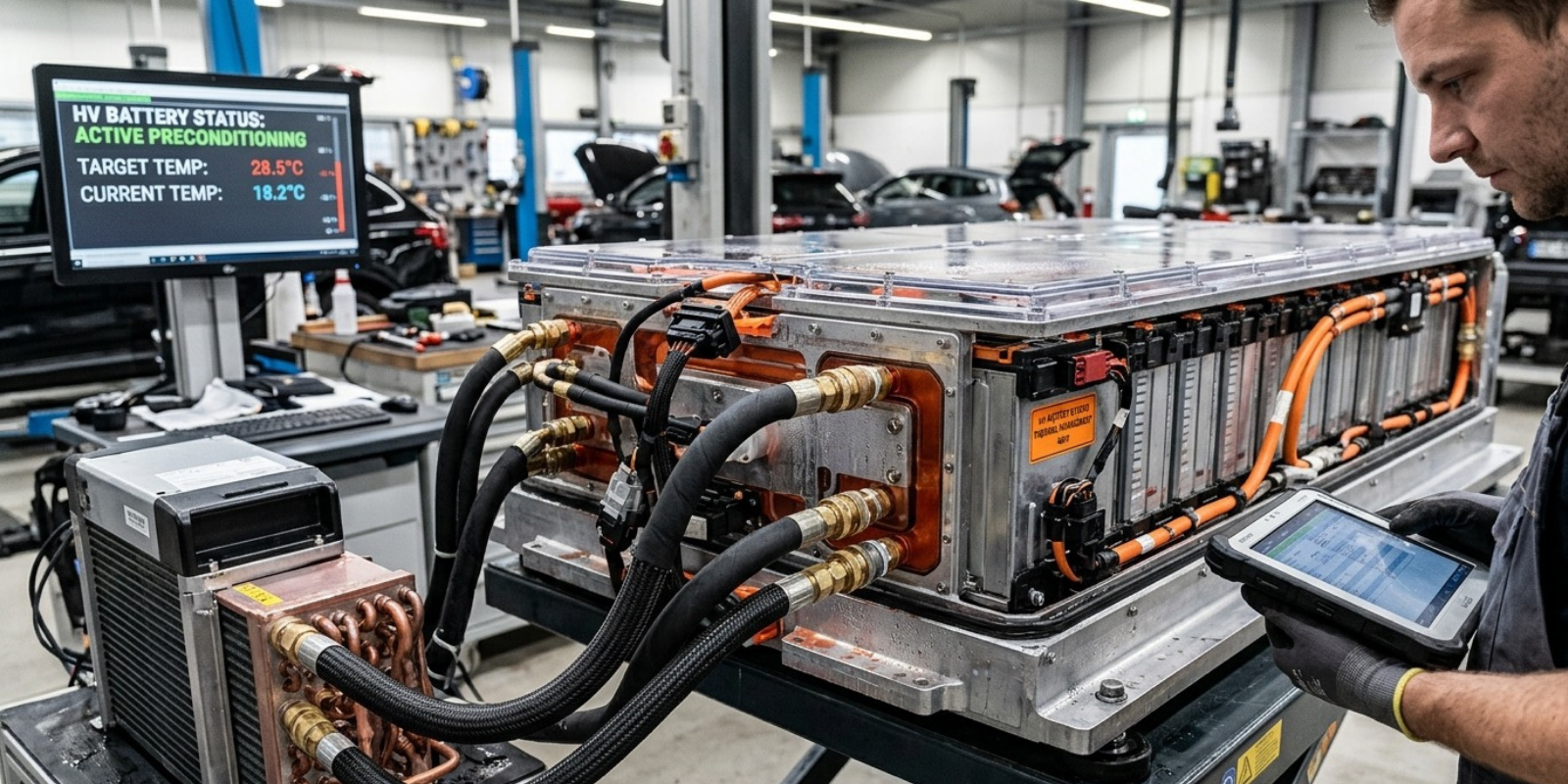
Manufacturers use various systems to regulate the temperature of the massive battery pack (often 400–700 kg). Depending on your model, one of these techniques is used:

  • Air Cooling (Passive/Active): Older or budget-friendly models (like the Nissan Leaf) often rely solely on airflow or a fan. While simple, this leads to the infamous “Rapidgate”: after several highway stints, the battery overheats, and charging speeds plummet because the heat cannot be dissipated fast enough.

  • Liquid Cooling (The Standard): Most modern EVs (VW ID series, Tesla, Hyundai/Kia) use a cooling circuit with a water-glycol mixture.

    • In Summer: If airflow at the front radiator isn’t enough, the car activates a chiller (a heat exchanger connected to the A/C refrigerant circuit) to actively cool the battery water below ambient temperature.

    • In Winter: Electric PTC heaters (similar to an immersion heater) warm the water to prevent the battery from freezing.

  • Heat Pump Integration & Motor Waste Heat: The gold standard in 2026. Tesla, for example, uses its famous Octovalve to intelligently shift heat between the motor, battery, and cabin. Even the motors themselves are used while stationary (stator heating) to generate heat for the battery without wasting energy. This saves valuable range, as the heater barely needs to pull energy directly from the battery.

2. Why Temperature Dictates Your Charging Curve

You might have noticed: on a cool May morning, your car charges much slower at a High Power Charger (HPC) than in the afternoon. This is due to internal resistance. If the battery is too cold, lithium ions cannot migrate into the anode fast enough – the charging curve collapses. Manufacturers like Hyundai/Kia (E-GMP platform) use their 800V technology to bring the battery to the target temperature of approx. 25°C in record time, allowing the full 240 kW to flow immediately. The same happens with extreme heat: to avoid cell damage (degradation), the system throttles the power (Thermal Throttling).

💡 Chargeprice Pro Tip:

You have more influence on the battery temperature than you think. Here is how to optimize your thermal management in :

  1. Use Preconditioning (The Pro Move): If your car supports preconditioning via the sat-nav (standard on Tesla, Porsche, newer VW models), use it! The system brings the battery to the perfect temperature (approx. 30°C) during the drive to the charger so you can hit maximum speeds instantly.

  2. The “Charging Sandwich”: Avoid parking the car in direct sunlight with a hot battery (right after a highway drive). Similarly, don’t plug a freezing battery into a fast charger. Tip: Charge the car immediately after your trip while the system is already at operating temperature, rather than letting it cool down first.

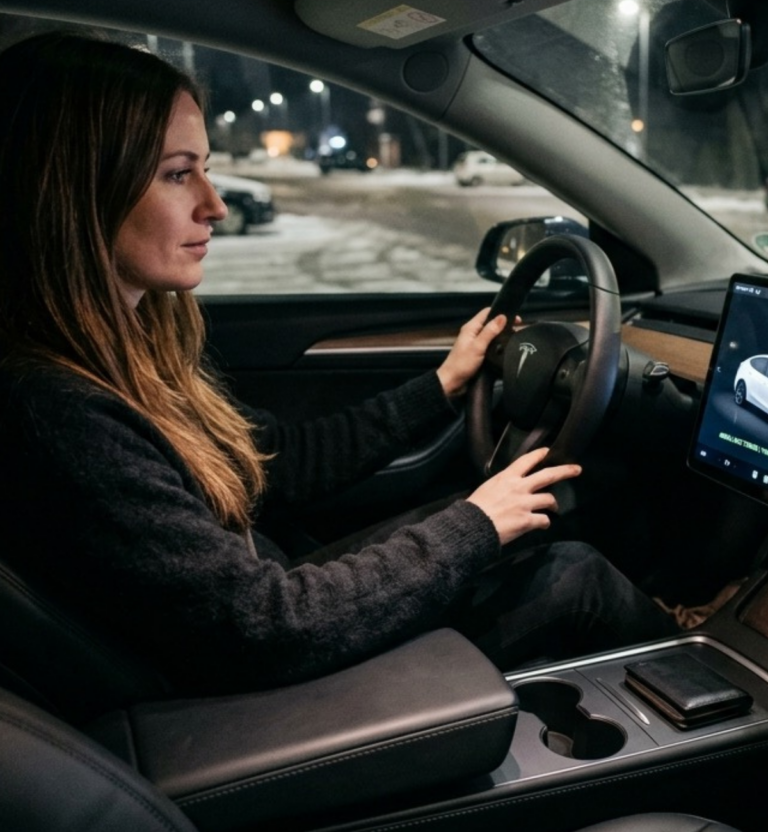
Gentle Starts in the Cold: If the night was frosty, avoid extreme acceleration for the first few miles. This protects the chemistry while the ions are still sluggish.
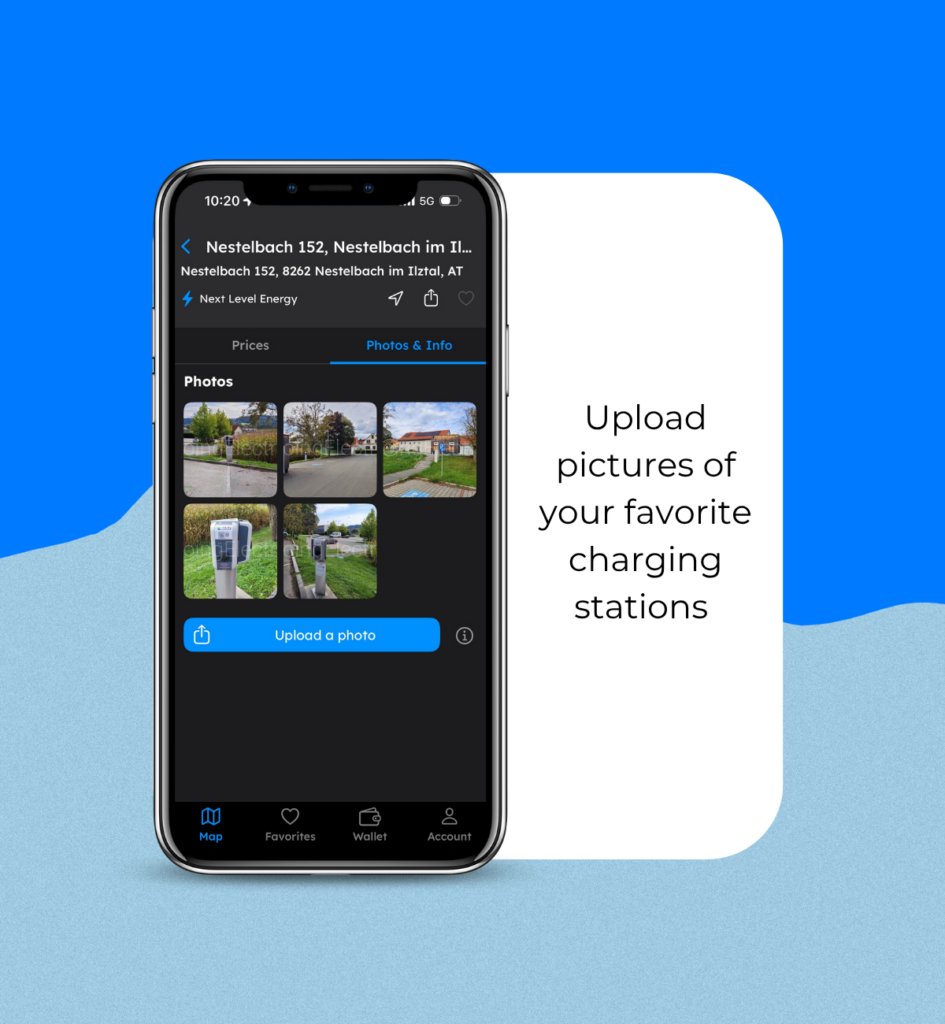
Chargeprice Inside: Your personalized App!

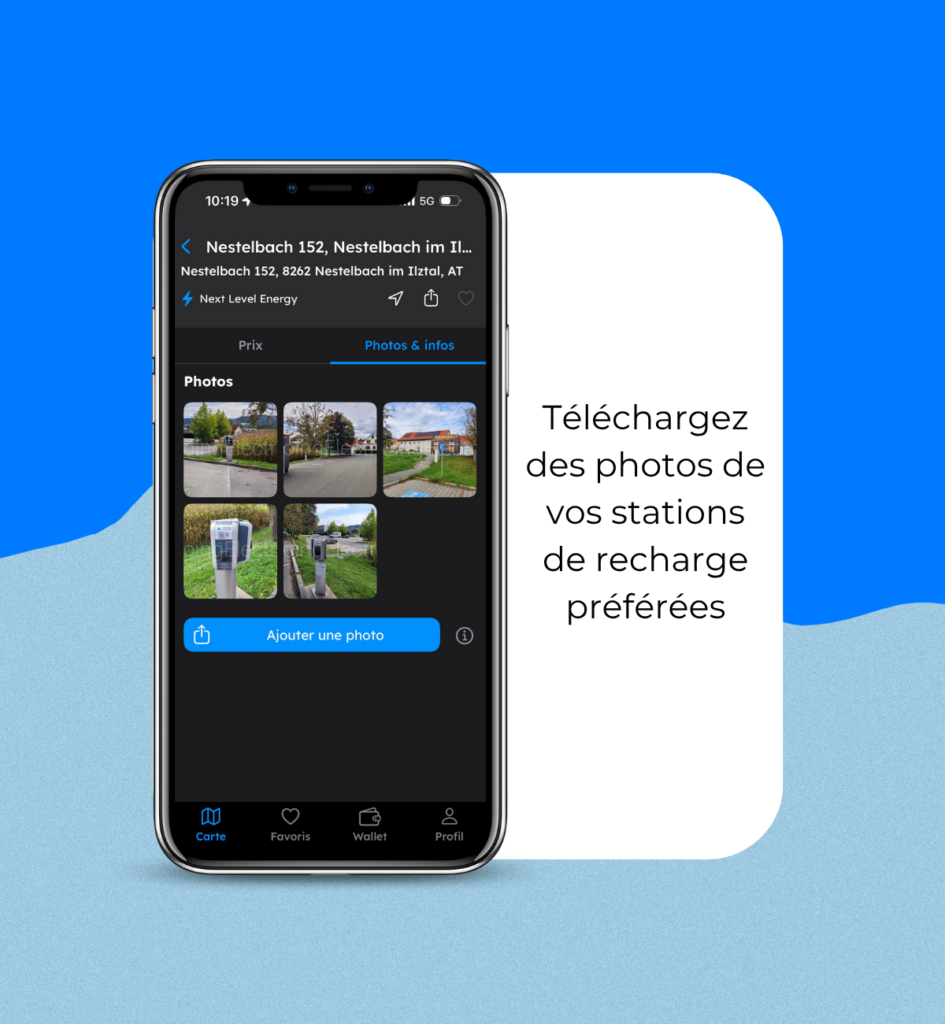
Chargeprice is more than just an app that shows charging prices. We see ourselves as a community tool and your personal charging companion. For this reason, we haven’t just integrated the station photo feature; we also offer you the chance to actively improve our app:

  • Report missing stations or incorrect prices.

  • Report missing vehicle models.

  • Upload details and photos of charging stations (e.g., info on shaded spots – crucial in summer!).


E-Auto : le héros discret du thermique🌡️

Pourquoi la gestion de la température est le héros invisible de votre voiture électrique 🌡️

Alors que nous profitons des premiers jours de mai, la batterie de votre voiture se réjouit également. Tout comme nous, les batteries se sentent au mieux entre 20°C et 35°C (idéalement jusqu’à 40°C). Si la température descend en dessous, les ions se déplacent lentement ; si elle monte au-dessus, la chimie vieillit plus vite. Ce mois-ci, découvrez comment votre voiture maintient cette zone de confort et la technologie qui se cache derrière.

1. High-Tech sous le capot : Comment les batteries « respirent »

Les constructeurs utilisent différents systèmes pour tempérer la masse énorme de la batterie (souvent 400 à 700 kg). Selon le modèle, l’une de ces techniques est utilisée :

  • Refroidissement par air (passif/actif) : Les modèles plus anciens ou d’entrée de gamme (comme la Nissan Leaf) n’utilisent souvent que le flux d’air ou un ventilateur. C’est simple, mais cela mène au fameux « Rapidgate » : après plusieurs trajets sur autoroute, la batterie surchauffe et la puissance de charge s’effondre car la chaleur ne peut pas être évacuée assez vite.

  • Refroidissement liquide (Le standard) : La plupart des VE modernes (série VW ID, Tesla, Hyundai/Kia) utilisent un circuit de refroidissement avec un mélange eau-glycol.

    • En été : Si le flux d’air au radiateur avant ne suffit pas, la voiture active un chiller (un échangeur de chaleur relié au circuit de climatisation) pour refroidir activement l’eau de la batterie en dessous de la température extérieure.

    • En hiver : Des chauffages électriques PTC (comme un thermoplongeur) chauffent l’eau pour éviter que la batterie ne gèle.

  • Intégration de la pompe à chaleur et chaleur fatale du moteur : Le nec plus ultra en 2026. Tesla utilise ici sa célèbre Octovalve, qui déplace intelligemment la chaleur entre le moteur, la batterie et l’habitacle. Même les moteurs eux-mêmes sont utilisés à l’arrêt (chauffage du stator) pour générer de la chaleur pour la batterie sans gaspiller d’énergie. Cela préserve l’autonomie, car le chauffage n’a pratiquement pas besoin de puiser l’énergie directement dans la batterie.

2. Pourquoi la température détermine votre courbe de charge

Vous l’avez peut-être remarqué : par une matinée fraîche de mai, votre voiture charge beaucoup plus lentement sur une borne rapide (HPC) que l’après-midi. Cela est dû à la résistance interne. Si la batterie est trop froide, les ions lithium ne peuvent pas migrer assez vite vers l’anode – la courbe de charge chute. Des constructeurs comme Hyundai/Kia (plateforme E-GMP) utilisent leur technologie 800V pour amener la batterie à la température cible d’environ 25°C en un temps record, permettant aux 240 kW de circuler immédiatement. La même chose se produit en cas de forte chaleur : pour éviter d’endommager les cellules (dégradation), le système bride la puissance (Thermal Throttling).

💡 Chargeprice Pro Tip:

Contrôle actif de la température par le conducteur

Vous avez plus d’influence sur la température de la batterie que vous ne le pensez. Voici comment optimiser votre gestion thermique en mai :

  1. Utilisez le préconditionnement (Le geste pro) : Si votre voiture dispose d’un préconditionnement via le GPS (standard chez Tesla, Porsche, nouveaux modèles VW), utilisez-le ! Le système amène la batterie à la température idéale (env. 30°C) pendant le trajet vers la borne pour charger instantanément à la vitesse maximale.

  2. Le « Sandwich de charge » : Évitez de garer la voiture en plein soleil avec une batterie chaude (juste après l’autoroute). De même, ne branchez pas une batterie glacée sur un chargeur rapide. Conseil :Chargez la voiture directement après le trajet, tant que le système est déjà à température, au lieu de laisser la batterie refroidir d’abord.

  3. Démarrage en douceur par temps froid : Si la nuit a été givrée, évitez les accélérations extrêmes sur les premiers kilomètres. Cela ménage la chimie tant que les ions sont encore léthargiques.


Chargeprice Inside:

Votre application personnalisée !

Chargeprice n’est pas seulement une application qui affiche les prix de recharge. Nous nous considérons comme un outil communautaire et votre compagnon de route personnel. C’est pourquoi nous avons intégré la fonction photo et vous offrons la possibilité de participer activement à l’amélioration de notre application :

  • Signalez les stations manquantes ou les prix erronés.

  • Signalez les modèles de véhicules manquants.

  • Publiez des détails et des photos des stations (ex: infos sur les places à l’ombre – crucial en été !).