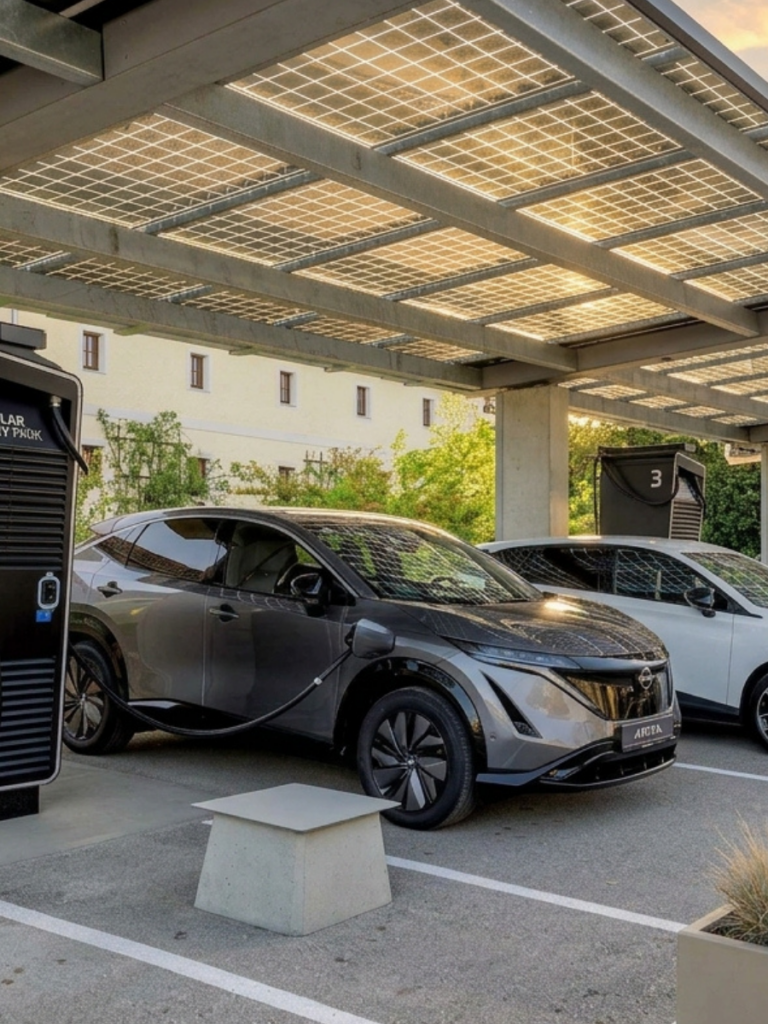
Do you remember 2016? Back then, taking an electric car onto the highway was often a small adventure with an uncertain outcome. Range anxiety, collections of charging cards in the glove box, and shaky 50 kW chargers dominated daily driving.
Ten years later, in 2026, the electric vehicle has fully arrived in the mass market. But how massive is this decade’s leap really? We compared key metrics, concrete vehicle models, and pricing trends from then and now with hard facts.
The direct comparison demonstrates how dramatically efficiency, range, charging speeds, and price-to-performance ratios have evolved.
Technical Data | Renault Zoe Q210 (2016) [Source: EV-Database / Renault] | VW ID.2all / ID.Polo (2026) [Source: VW Newsroom] |
Battery Capacity (net) | 22 kWh | 38 kWh (Standard) / 56 kWh (Long Range) |
Range (WLTP / Real) | 210 km (NEDC) / ~130–150 km (Real) | 300–450 km (WLTP) / ~320–380 km (Real) |
Consumption (Real) | ~16.5–18.0 kWh/100 km | ~13.5–15.0 kWh/100 km |
Max. DC Charge Power | No DC (AC max 43 kW / Chaméléon) | 125 kW DC |
Charge Time (10–80% DC) | approx. 45 to 60 min (AC 22/43 kW only) | ~20 minutes (at DC Fast Charger) |
New Price DE (incl. VAT) | ~€21,500 (plus battery lease from €79/mo) | ~€25,000 (battery included) |
Technical Data | Tesla Model X 90D (2016) [Source: Tesla / EV-Specs] | BMW iX5 (2026) [Source: BMW Group / EV-Database] |
Battery Capacity (net) | 85.7 kWh | 105–144 kWh |
Range (WLTP / Real) | 489 km (NEDC) / ~350–380 km (Real) | 600+ km (WLTP) / ~500–550 km (Real) |
Consumption (Real) | ~23.0–26.0 kWh/100 km | ~18.0–20.5 kWh/100 km |
Max. DC Charge Power | 120 kW (Tesla Supercharger V2) | 300 kW+ (800V Architecture) |
Charge Time (10–80% DC) | approx. 40 minutes | ~12–15 minutes |
New Price DE (incl. VAT) | ~€109,400 | ~€102,000 |
Category | E-Mobility 2016 | E-Mobility 2026 |
Battery Cell Cost [Source: BNEF] | ~220–280 $/kWh | < 75–95 $/kWh |
Standard Public Charger [Source: BNetzA] | 50 kW Triple Charger | 300–400 kW Hypercharger Hubs |
Dominant Cell Chemistry [Source: IEA] | Early NMC111 / LMO cells | NMC811, LFP, LMFP & Sodium-Ion |
Home Charging | Standard wall outlet (2.3 kW) | 11 kW Wallbox + Dynamic Tariffs |
Public Billing | Per-minute, flat rates, free charging | Per-kWh pricing, transparent roaming |
In 2016, the battery was by far the most expensive component of an EV. Producing a single kilowatt-hour of storage capacity cost well over $200. Thanks to massive scaling and newer chemistries like LFP and LMFP, battery pack costs have dropped over 60% by 2026 [Source: BloombergNEF Battery Price Survey]. This enables retail prices on par with comparable combustion engine cars.
From tariff jungle to best price: In 2016, there were only a handful of charging cards—in 2026, charging networks are dense, but prices vary wildly by operator and roaming partner.
Keep your Chargeprice Wallet updated with all your active charging cards and subscriptions. The app shows you down to the cent which provider gets you the cheapest rate at any charging station!
Conclusion: The decade in review demonstrates that electric cars have evolved from pioneer projects into mature everyday vehicles. Greater ranges, lightning-fast charging times, and smart home charging make switching easier than ever.
Compare real-time rates at your nearest charger with Chargeprice now