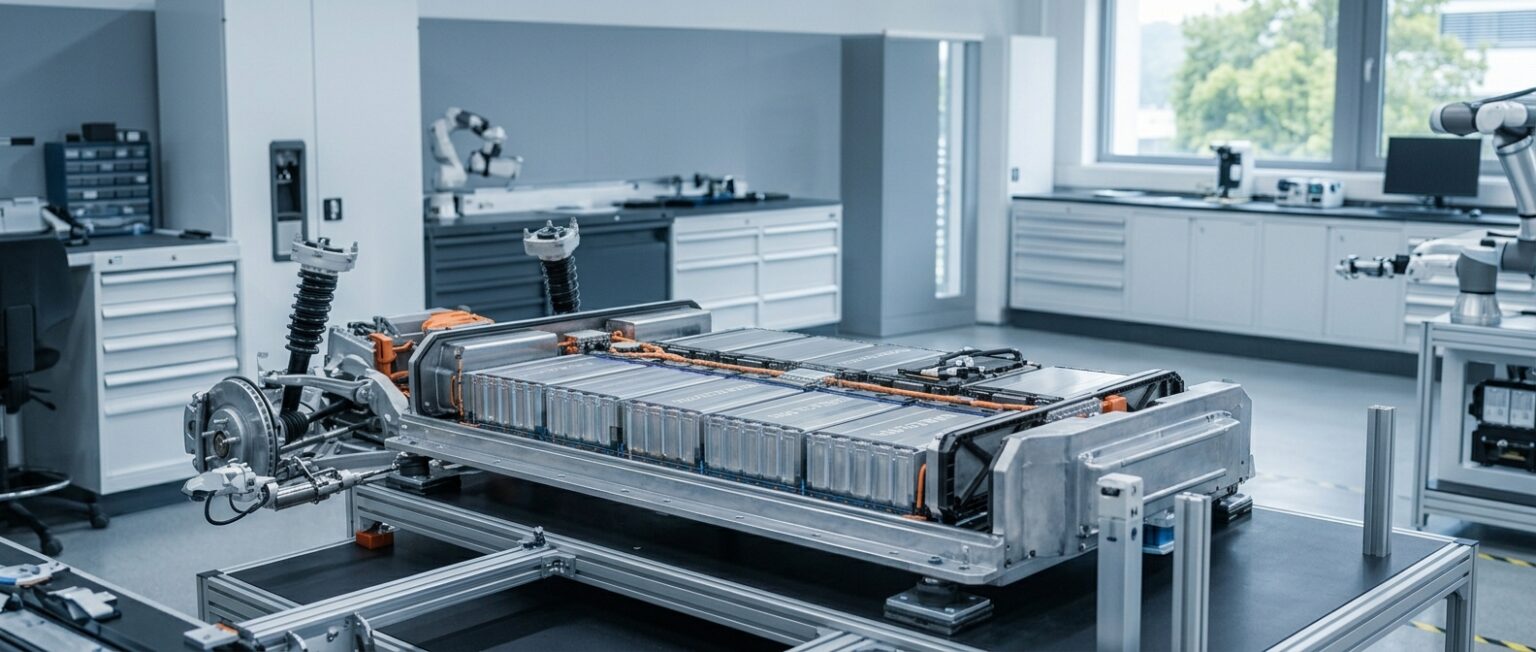
The EV battery landscape is evolving rapidly. Three new developments aim to address the limitations of today’s chemistries:
 LMFP (Lithium Manganese Iron Phosphate) – The LFP Upgrade
By adding manganese, LMFP retains the safety and cost benefits of LFP while boosting energy density by 15–20%. This significantly narrows the weight gap to NMC. Major manufacturers (e.g., CATL with M3P cells) are already integrating LMFP into new production vehicles.
 Sodium-Ion (Na-Ion) – The Raw Material Game Changer
Using abundant sodium (salt) instead of lithium, these batteries offer exceptional heat resistance and cold tolerance at low production costs. While energy density is currently below LFP, sodium-ion batteries are entering the market in affordable urban EVs.
 Solid-State Batteries – The Technological Leap
Eliminating liquid electrolytes makes solid-state batteries virtually non-flammable and heat-resistant. They promise high energy densities (ranges of 800–1000+ km) alongside ultra-fast charging, with broader mass-market rollout expected towards the end of the decade
 CHARGEPRICE PRO TIP: Smart Heat Charging
Avoid direct sun exposure: Extreme summer heat prolongs charging times because the battery management system reduces charging power to protect cell chemistry (thermal throttling).
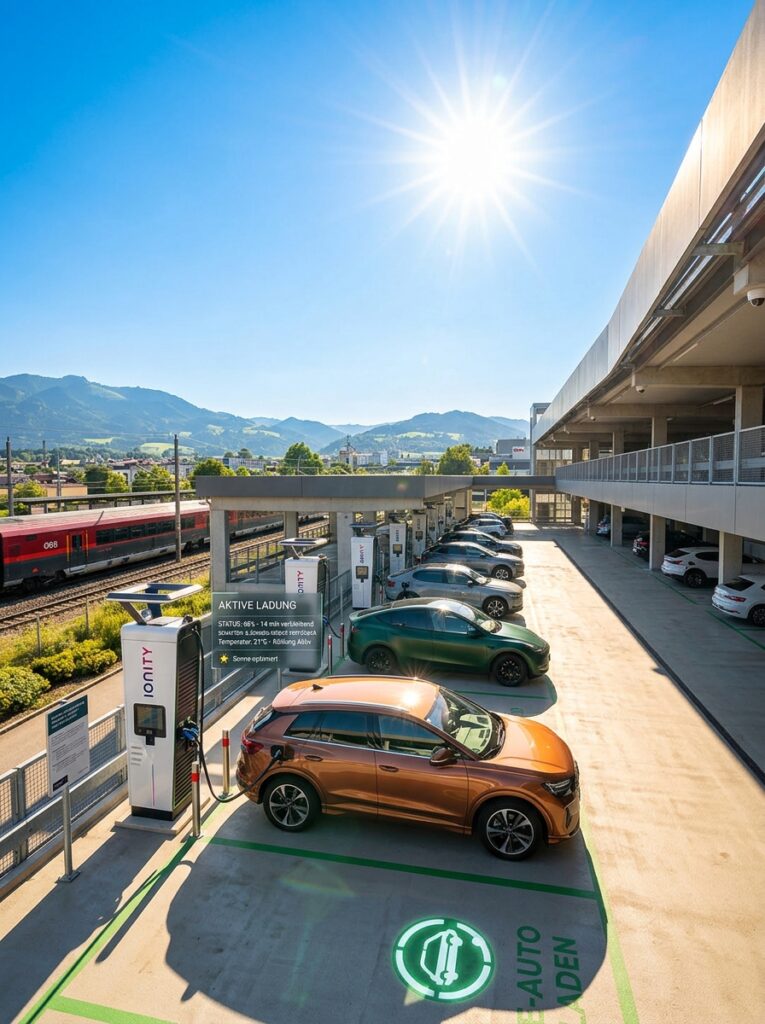
Use the filters in your Chargeprice app to find charging spots in multi-story car parks, underground garages, or covered locations. A shaded charging spot keeps your battery’s base temperature lower, protects the cell material, saves cooling energy, and ensures you step back into a comfortably cool car!
Conclusion: The market offers clear options: NMC remains the top choice for maximum range and lower weight on long trips, requiring some heat management discipline (80% limit, parking in the shade). LFP and new LMFP generations excel in thermal robustness and long-term durability for daily driving.
 Find shaded charging spots near you with Chargeprice now
Sources: IEA Global EV Outlook, EVE Energy Technical Guide, Elechtrochimia Acta, Journal of Power Sources, CATL, EV Insight Daily, Mordor Intelligence

 Français
 English
 Deutsch